10 Common Forex Mistakes Beginners Make (And How to Fix Each One)
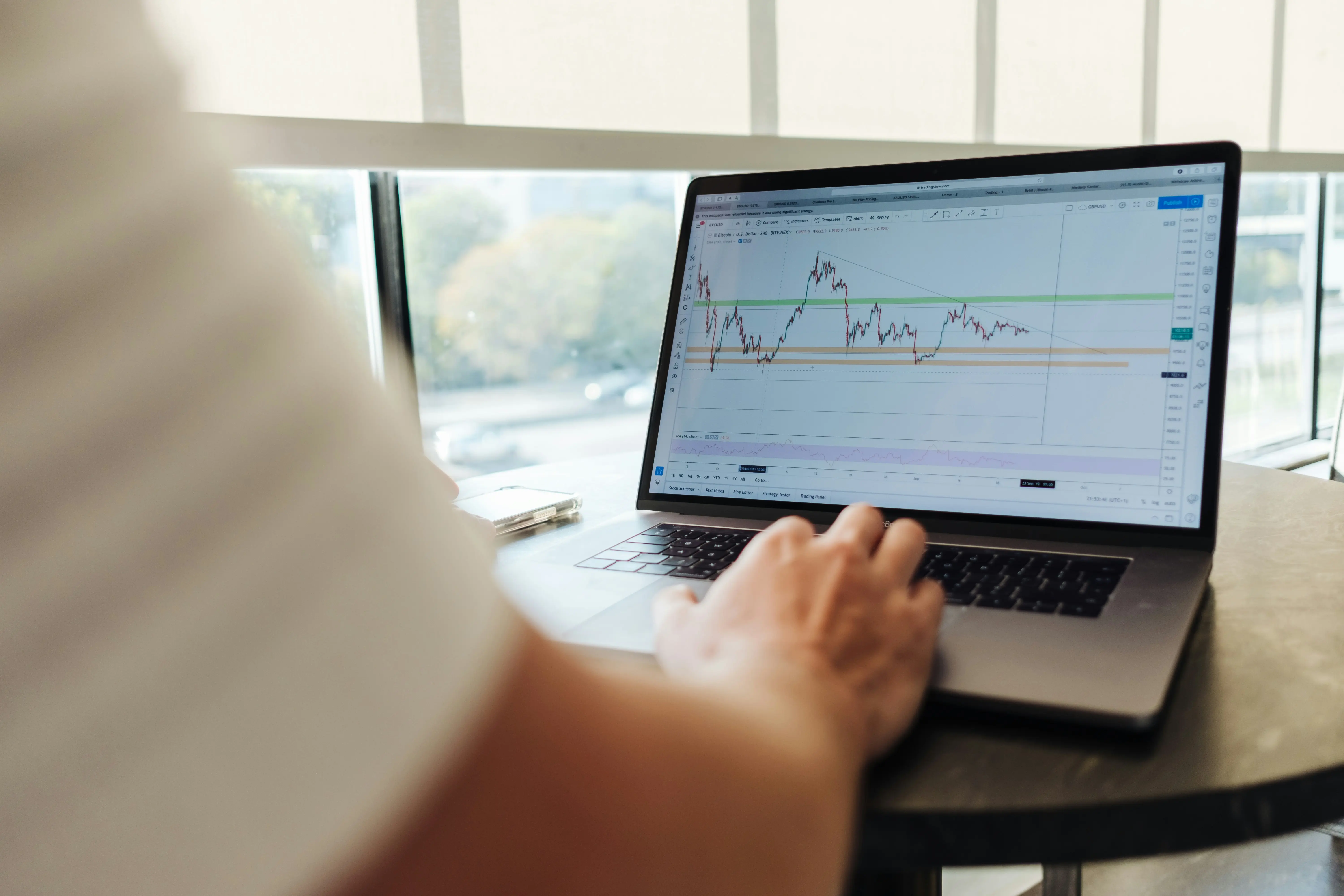
Over 70% of retail forex accounts lose money — and broker disclosures across Europe put that number closer to 80%. The market itself isn't the problem. The mistakes beginners make in their first year are.
The frustrating part: nearly all of those losses trace back to the same ten errors. None of them are complicated to fix. Most traders just never get told what they are — or they know, and do them anyway.
This guide breaks down the ten most common forex trading mistakes, what each one actually costs you, and the specific fix.
1. Trading With Too Much Leverage
Leverage is the headline feature of forex — brokers advertise 100:1, 200:1, even 500:1. Beginners see it as free buying power. It's actually a countdown timer on your account.
At 100:1 leverage, a 1% adverse move can wipe out your margin. Most beginner blowups aren't caused by being wrong — they're caused by being wrong while leveraged far beyond what the account could absorb.
The fix: Treat leverage as a ceiling, not a target. Size positions so a full stop-out costs 1–2% of your account, regardless of what your broker allows.
Leverage doesn't increase your edge. It only increases the speed at which you find out whether you have one.
2. Skipping the Stop Loss
Every experienced trader has a story about "it always comes back." Sometimes it does. Sometimes it's the Swiss franc in January 2015 and the move is 20% in minutes.
Trading without a stop loss means every trade is an open-ended bet on your ability to sit through unlimited drawdown. Nobody can do that.
The fix: Place the stop before you enter, not after. Define it structurally — below support, above resistance — and never widen it once the trade is live. Our guide on how to set stop losses that actually work covers placement in detail.
3. Risking Too Much Per Trade
The math that kills beginner accounts is simple: lose 20% and you need 25% just to break even. Lose 50% and you need 100%. Two or three oversized losses in a row — which will happen, even to good traders — and the account is functionally dead.
The fix: Cap risk at 1% of your account per trade. Not because 1% is magic, but because it turns a losing streak into an inconvenience instead of an ending. The 1% rule exists precisely for the trades you'll be wrong about.
4. Overtrading
Forex runs 24 hours a day, five days a week. Beginners treat that like an obligation — opening positions at 3am because "the market is open."
Most of the day, there is no edge to capture. Spreads are wider, moves are choppy, and every extra trade is another fee and another chance to be wrong.
The fix: Trade your session and your setups, nothing else. If the London–New York overlap gives you a 2–4 hour window, that's when you work. Our breakdown of forex trading sessions shows when each pair actually moves.
5. Revenge Trading
You take a loss. You're annoyed. You immediately re-enter — bigger, faster, to "get it back." This is how one bad trade becomes five.
Revenge trading isn't a strategy; it's an emotional response wearing one as a costume. And it compounds: the trades taken angry have the worst risk management of anything in your history.
The fix: After any loss over your daily limit — even a single one that stings — impose a mandatory cool-down. Twenty minutes minimum, away from the screen. The market will still be there.
6. No Trading Plan
Most beginners trade vibes: a chart they saw on social media, a feeling about the euro, a YouTube setup from last night. Without a written plan, every trade is improvised and nothing about your results is repeatable.
The fix: Write down your market, your setups, your entry triggers, your risk per trade, and your exit rules. If a trade doesn't fit the plan, you don't take it. Our step-by-step guide to building a trading plan gives you the full template.
7. Ignoring the Economic Calendar
Forex moves on news. NFP, CPI, FOMC decisions — these events can move pairs 100+ pips in seconds, slicing through stops that were sized for calm conditions.
Beginners get run over by scheduled volatility because they never checked what was scheduled.
The fix: Check the economic calendar every morning before your session. Know the red-flag events for your pairs, and either stay flat or cut size dramatically around major releases.
8. Not Keeping a Trading Journal
Here's the mistake that quietly caps everyone's progress: trading hundreds of positions and learning from almost none of them.
Without a journal, your losing trades are just losses — no pattern, no cause, no lesson. You'll repeat the same three mistakes for years while convinced each one was random.
The fix: Log every trade — entry, exit, setup, risk, screenshot, and the emotional state you were in. After 50 trades, patterns appear that are invisible in real time. That's when you start fixing things instead of guessing.
This is exactly why we built LogYourTrade: every trade logged, every session reviewed, your patterns surfaced automatically instead of living in your memory.
9. Cutting Winners Early and Letting Losers Run
Beginners do the exact opposite of what the math requires. Winners get closed at +10 pips because taking profit feels good. Losers get held "until it comes back" because admitting the trade failed feels bad.
The result is a negative expectancy curve: small consistent wins funding occasional catastrophic losses.
The fix: Define your target and your stop at entry — then let the trade play out unless your original thesis breaks. If your average winner isn't meaningfully larger than your average loser, no win rate can save you.
10. Expecting to Get Rich Quick
The final mistake is the meta-mistake: arriving with a target of doubling the account in three months. That pressure forces mistakes 1 through 9 into overdrive — max leverage, oversized risk, revenge trades.
Professional forex traders think in years and measure themselves in consistency, not home runs.
The fix: Set process goals instead of P&L goals. "Followed my plan on every trade this week" is achievable. "Made 20% this month" is a lottery ticket.
The Common Thread
Notice what most of these have in common: they aren't analysis mistakes. They're behavior mistakes. Most beginners can read a chart passably within a few months — what they can't do is manage themselves.
That's why journaling is the fix for so many of them. You can't correct a behavior you're not tracking. Start with your next trade: log it, review it on the weekend, and let the data tell you which of these ten is actually your problem.
Ready to see your patterns instead of guessing at them? Start your trading journal with LogYourTrade — built by traders who made every mistake on this list first.
Ready to start journaling?
Track your trades, analyze performance, and build discipline with LogYourTrade.
Start Free